



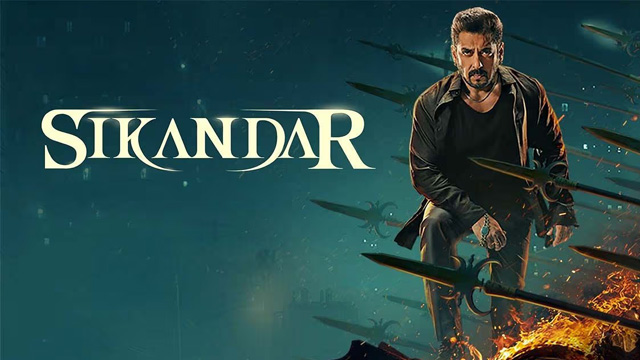
Mumbai: With the recent release of Sikandar, starring Salman Khan, a fresh wave of debate has erupted in the Indian film industry. The central question: Is Bollywood slowly surrendering itself to style-over-substance, short-attention-span storytelling? And is Anurag Kashyap’s criticism of this trend justified?
The acclaimed filmmaker recently expressed concern over the “Snapchat-ification of cinema”, a term he used to describe the growing trend of hyper-edited, plot-thin, spectacle-heavy films that prioritize viral moments over narrative depth. While Kashyap didn’t name names, the release of Sikandar—a high-octane, visually flashy action film with minimal character development—has reignited the conversation.
“If even megastars like Salman Khan continue to endorse such cinema, we’re looking at a future where Indian films become reels, not stories,” said a senior film critic in Mumbai.
The Problem With ‘Sikandar’
While Sikandar delivers on scale, swag, and box office collections, many viewers and critics alike feel it sacrifices coherence and originality. The film, laced with slow-motion entries, one-liner dialogues, and CGI explosions, seems to cater to an audience raised on short-form content—not cinematic storytelling.
What alarms filmmakers like Kashyap is not just the film’s existence, but the industry-wide trend it represents. With studios prioritizing viral appeal over storytelling, the Indian film landscape risks losing its rich narrative diversity, replacing it with formula-driven content that mimics social media engagement rather than emotional resonance.
What’s at Stake for Bollywood
Bollywood, once known for balancing mass appeal with artistic vision, now finds itself at a crossroads. The rise of OTT platforms, global competition, and audience fatigue has made producers more risk-averse. As a result, many are doubling down on what “works” at the box office—fast cuts, flash, and familiar faces—at the cost of bold storytelling.
“It’s not about rejecting commercial cinema,” a screenwriter told Singh News Media. “It’s about preserving the soul of storytelling while evolving. Films can be entertaining without being empty.”
The Way Forward
Voices like Kashyap’s remind the industry that India’s cinematic strength lies not in copying trends but in creating compelling, rooted, and meaningful stories. The hope is that Bollywood can still strike a balance between commercial viability and creative integrity, without reducing its films to 2-hour highlight reels.
Singh News Media will continue to cover the evolving debate around Bollywood’s identity crisis and the impact of digital-age storytelling on the silver screen.


