



Singh News Media | August 27, 2025
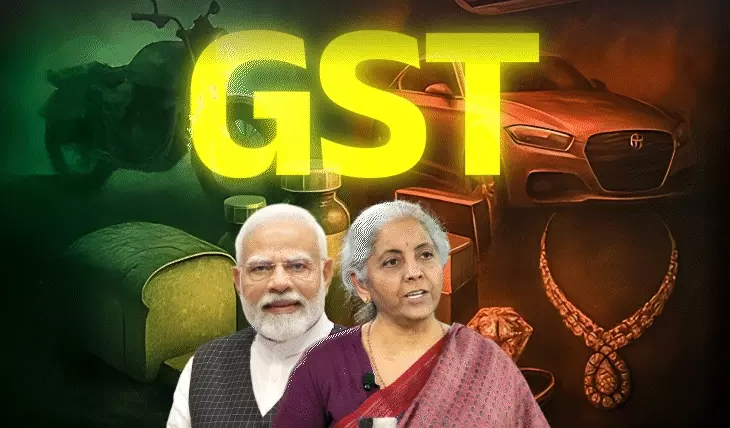
The government has announced that a restructured version of the Goods and Services Tax (GST), dubbed ‘Next-gen GST’, will officially come into effect from September 22, 2025. The new framework aims to simplify the tax structure, reduce the burden on essential commodities, and bring more transparency in indirect taxation.
What’s Changing Under the New GST?
- Essential goods cheaper: Daily-use products such as milk, medicines, refrigerators, TVs, and washing machines will attract lower tax rates, giving relief to households.
- Luxury items costlier: High-end cars, premium gadgets, alcohol, and tobacco products are likely to face higher tax slabs.
- Simplified structure: The government plans to reduce the number of GST slabs from five to three, making compliance easier for businesses.
- Digital-first compliance: Filing and refunds will become fully automated, reducing delays and red tape.
- Small business relief: Enterprises with turnover below a certain threshold will get simplified return-filing benefits and reduced compliance burden.
Why the Overhaul?
Officials said the changes are designed to ease inflationary pressure on households while ensuring that luxury consumption contributes more revenue to the exchequer. The move also seeks to improve compliance, plug tax evasion, and boost digital tax governance.
FAQs Answered
Q: Will my monthly expenses reduce?
Yes, if your spending is more on essential goods and services, you’ll notice savings. However, luxury consumption may pinch your pocket more.
Q: Do I need to re-register under the new system?
No, existing GST numbers will remain valid. Businesses will simply transition to the new filing format.
Q: Will restaurant and food services get cheaper?
A moderate cut is expected in taxes for mid-range restaurants, while premium dining may see marginal increases.
Q: How will refunds work?
Refunds will now be processed within 30 days through an AI-driven automated system, ensuring faster resolution.
What’s Next?
With Next-gen GST, the government hopes to strike a balance between public relief and revenue generation. Economists believe this reform could give a push to consumption, particularly in the middle-class segment, while luxury taxation ensures fiscal discipline.


